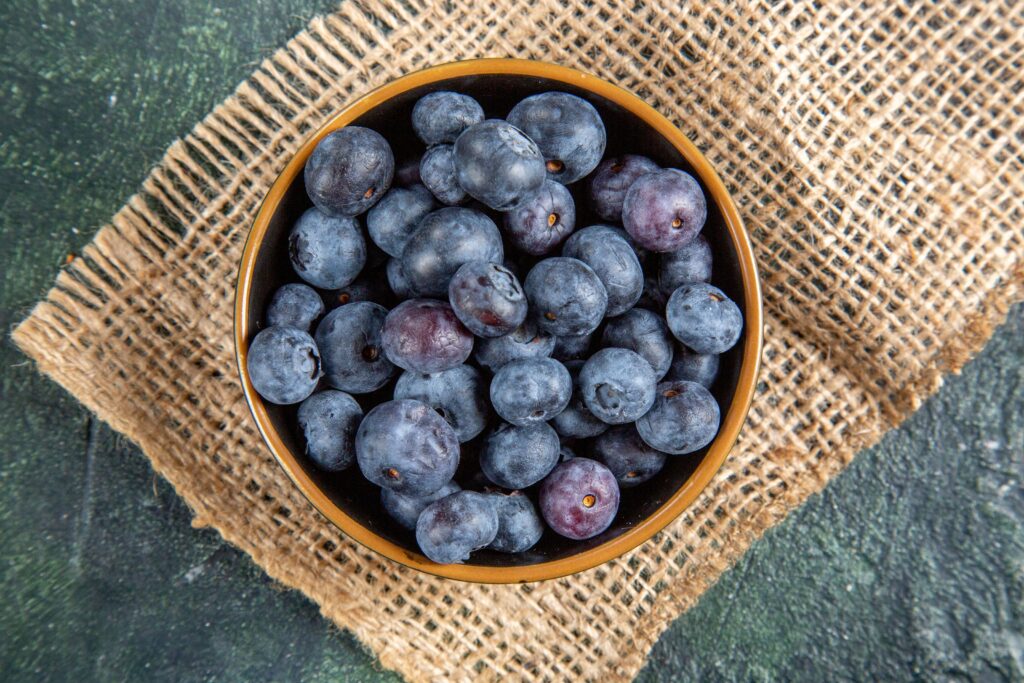
Biloxi
Biloxi blueberry is a Southern Highbush, zero-chill variety that thrives in warm climates without needing cold winters. It flowers in spring, ripens in summer (June–July), and produces medium-blue, sweet berries with slight acidity. Plants are compact, bushy, evergreen in mild regions, and
yield 4.5–9 tons per hectare under good management.
🫐 Characteristics of biloxi Blueberry Variety
🌳 Variety
- Biloxi (Vaccinium corymbosum), Southern Highbush blueberry
🌱 Planting Time
- Best planted in late winter to early spring; suitable for warm climates with little or no frost
🌿 Growth Habit
- Vigorous, upright, bushy growth; typically 0.7–0.8 m tall in commercial settings, but can reach 5–6 ft in gardens
🌸 Flowering Time
- Blooms in spring; requires very low chill (≈150 hours), making it ideal for subtropical and tropical regions
🍑 Harvesting Period
- Fruits ripen in June–July; in frost-free areas, plants may produce fruit nearly year-round
😋 Fruit Taste
- Sweet with a slight acidity; balanced flavor profile
🧵 Fruit Texture
- Firm, juicy berries; good eating quality
🎨 Fruit Size and Color
- Medium-sized berries (≈15–20 mm diameter); medium-blue skin with good
📈 Yield
- Average 4.5–9 tons per hectare under optimal conditions
Additional Notes
- Climate Adaptability: Biloxi is a zero-chill variety, meaning it does not require cold winters to fruit. This makes it perfect for India, southern U.S., and other warm regions.
- Evergreen Habit: In frost-free areas, Biloxi can remain evergreen year-round, unlike most deciduous blueberries.
- Pollination: While partially self-fertile, yields improve when planted with other Southern Highbush varieties.
- Soil Needs: Prefers acidic, well-drained soil (pH 4.5–5.5). Often grown in soilless media in warm climates.
- Commercial Use: Popular for extending blueberry production into regions unsuitable for traditional high-chill varieties.
In summary, Biloxi blueberry is a compact, evergreen, zero-chill variety that produces medium-blue, sweet-acid berries in summer, with high yields in warm climates. It’s an excellent choice for subtropical orchards or home gardens where traditional blueberries struggle.